Contact Detail
Bareilly Road, Budaun, Uttar Pradesh - 243601



Bareilly Road, Budaun, Uttar Pradesh - 243601

Walk into three different schools and you will probably hear the same promises: all-round development, caring teachers, a safe campus, strong results. The brochures look similar, the smiles look similar, and it quickly becomes hard to tell one school from another. Yet this is one of the most important decisions a family makes, because a school shapes far more than a child's marks. It shapes confidence, friendships, habits, and the way a child sees themselves.
So what separates a genuinely good school from one that simply presents itself well? Here are the factors that matter most, and how families in Budaun can recognize them, including when visiting BRB Model School.
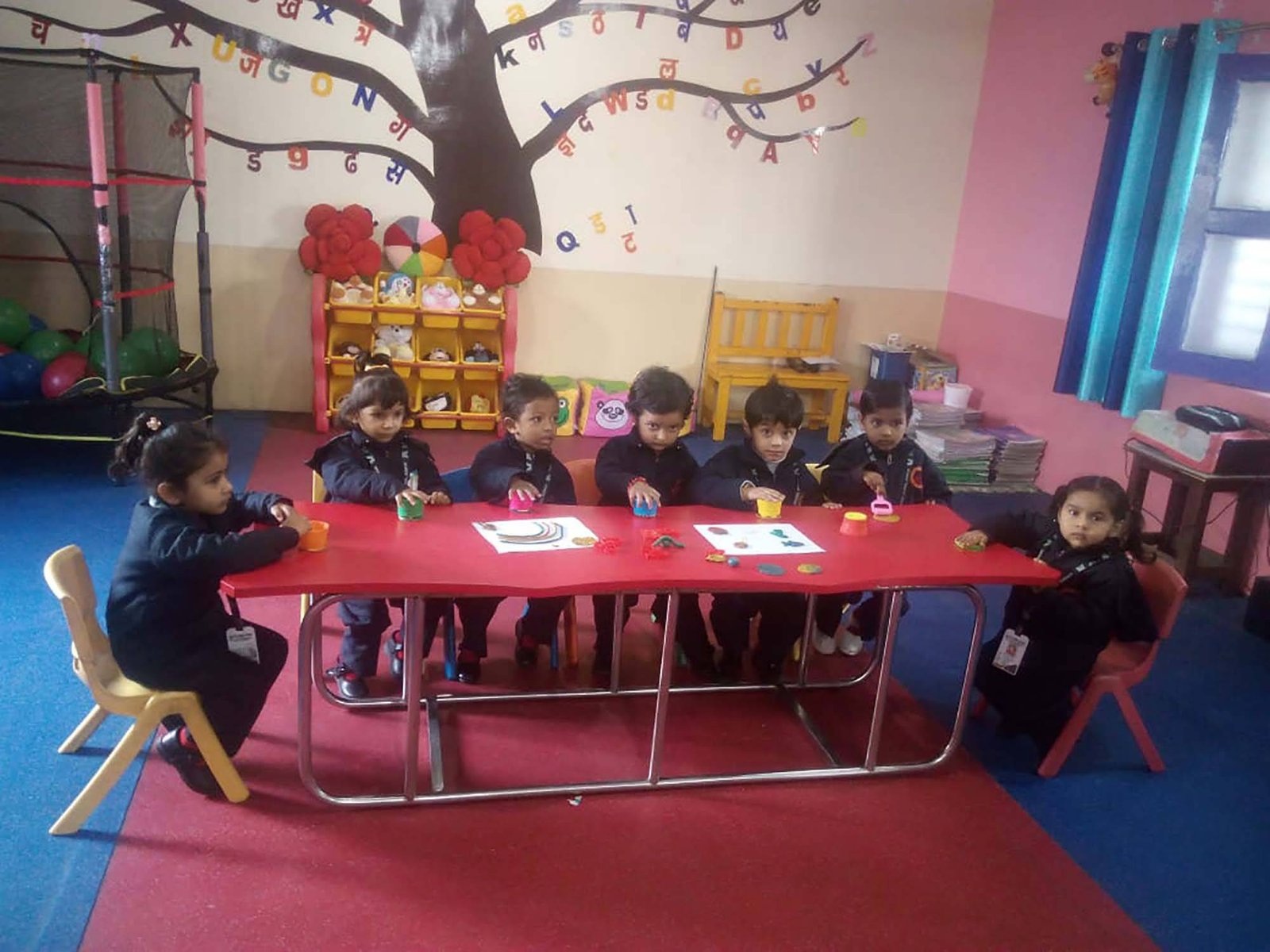
A quiet classroom is not necessarily a learning classroom. In a good school, children are following the lesson, working on something together, and feeling free to say when they have not understood. Lessons move at a pace that allows ideas to settle, and questions are treated as a welcome part of learning rather than an interruption. When you visit, notice the energy in the room, not just the order.
Qualifications matter, but so does attention. The best teachers can tell you things about a child that no report card reveals: where they hesitate, what excites them, when something seems wrong. A teacher who notices a quiet student slipping behind can step in early, and early support often prevents small difficulties from growing into big ones. Look for a school where teachers are approachable, patient, and genuinely interested in the children in front of them.
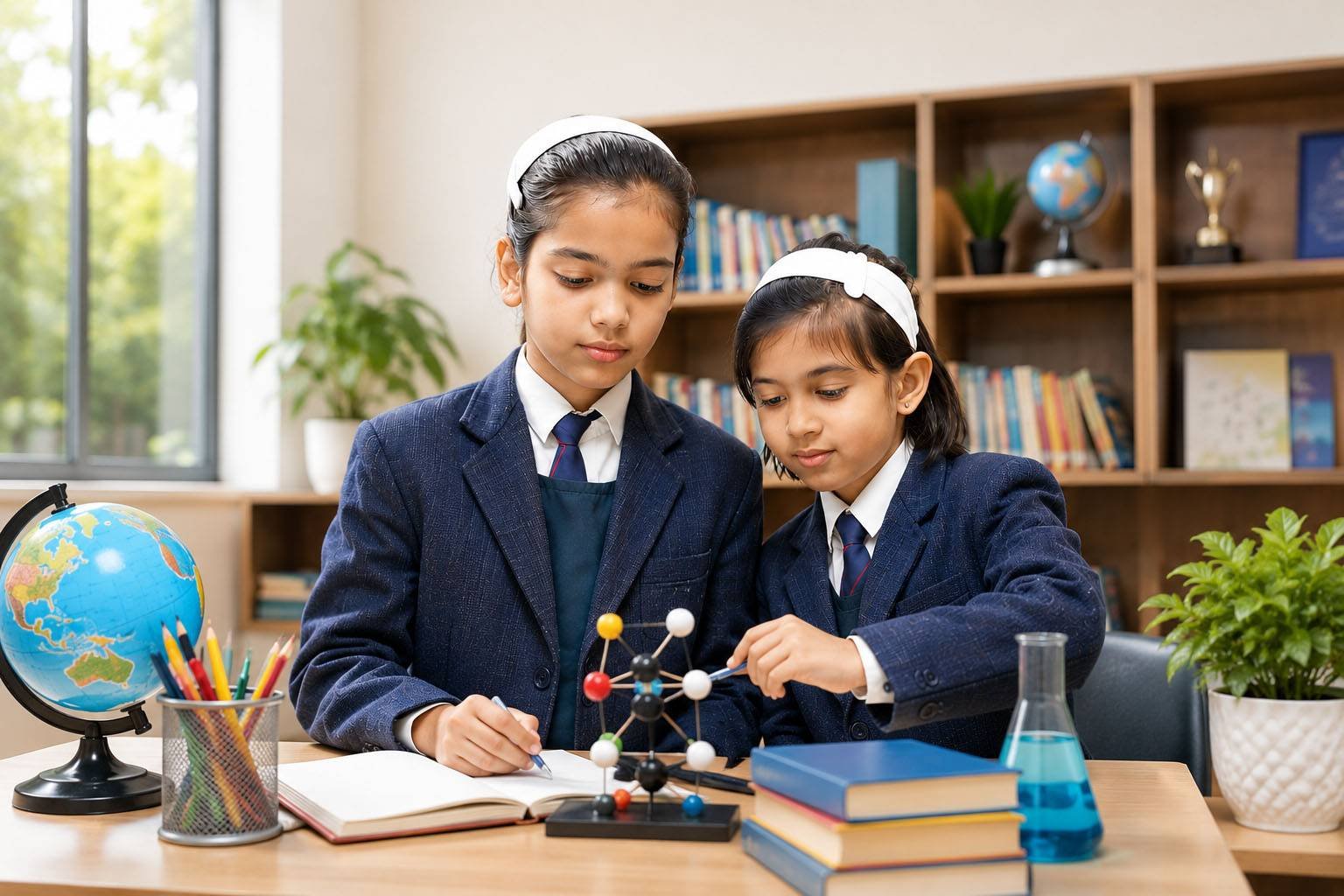
Marks are important, but understanding is what lasts. Good schools encourage children to explain ideas in their own words, connect lessons to real life, and apply what they learn through projects, practical work, and discussion. A child who understands a concept can use it in new situations, which is exactly what exams, higher education, and later careers demand.
Children learn best when they feel secure. A good school keeps its campus properly supervised, controls who enters and leaves, arranges safe transport, and keeps facilities clean and well maintained. Just as important is emotional safety: a firm stand against bullying, and an atmosphere in which every child feels respected and included. Parents should feel that safety is part of the school's everyday routine, not a line in a prospectus.
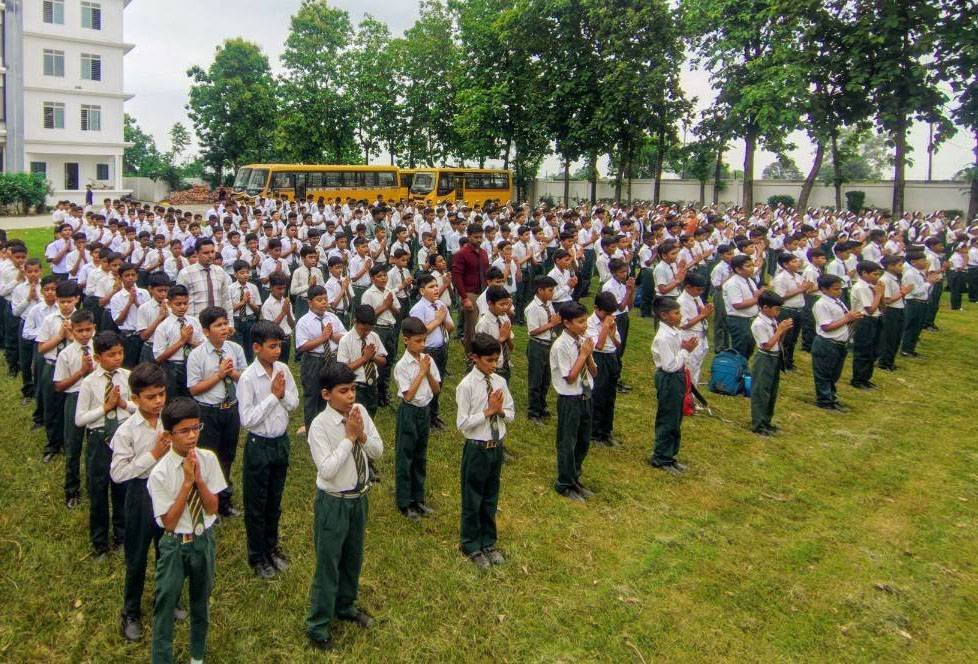
Discipline works best when it is clear, consistent, and kind. Children respond well to expectations they understand and to adults who correct them without humiliating them. Schools that treat discipline as a way of building responsibility, rather than enforcing fear, tend to produce students who are both well behaved and self-assured.
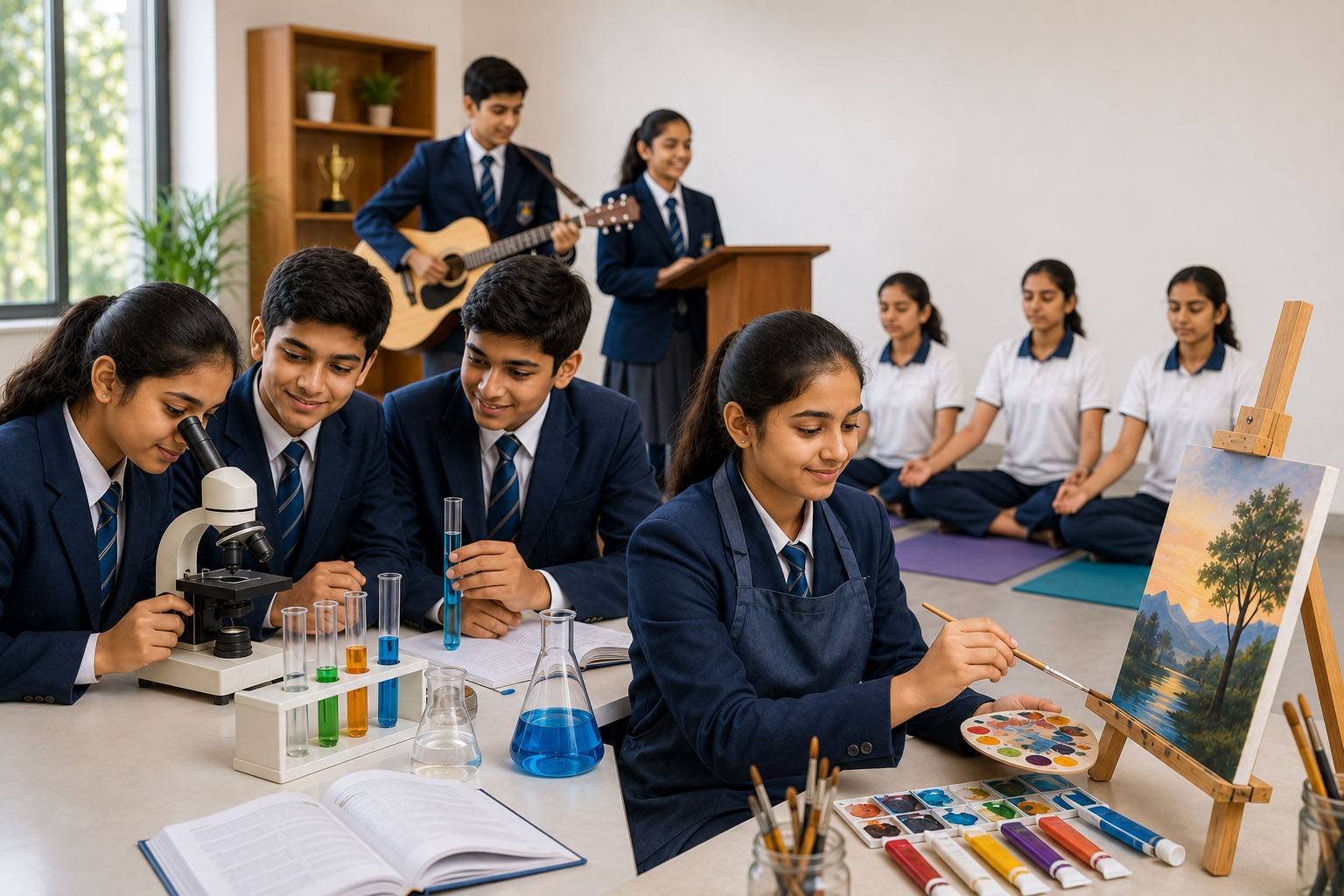
A library, a laboratory, a playground, and a computer room are valuable only when children spend real time in them. What matters is not how impressive a campus looks, but how regularly its spaces are used for reading, experimenting, playing, and exploring. Bright, well-ventilated classrooms and a clean, orderly environment also make a noticeable difference to how children feel through the day.
Sports, music, art, debate, and clubs allow children to discover strengths that a textbook may never reveal. A student who struggles with one subject may shine on the football field or on stage, and that confidence often carries back into the classroom. Schools that give these activities a regular place in the week show that they value the whole child, not only the report card.
A good school keeps families informed, listens to concerns, and responds promptly. Regular parent-teacher meetings, clear updates on progress, and honest conversations about a child's strengths and challenges build trust on both sides. How a school communicates with you before admission is usually a good indication of how it will do so afterwards.
Honesty, kindness, responsibility, and respect cannot be learned from a single lecture. They are absorbed through daily life: how teachers speak to students, how children treat one another, how mistakes are handled. Schools that take character seriously weave these values into ordinary routines, helping children grow into people others can trust.
Finally, a good school has to work in real life. Distance, transport, a transparent fee structure, and a daily routine that leaves a child with enough time to rest and play all matter. A school that is a daily struggle to reach, or a financial strain over many years, can quietly become a burden for the whole family.
If BRB Model School is on your shortlist, the best way to judge it is to see it for yourself. Visit on an ordinary working day, speak with teachers, walk through classrooms and facilities, and observe how students and staff interact. If you have the chance, talk with parents whose children already study there. A few honest conversations and a walk through the campus will tell you far more than any brochure.
There is no single best school for every child, only the school that is right for yours. Look for strong teaching, a safe and caring environment, opportunities to grow beyond the classroom, and a school that treats parents as partners. Trust what you see and hear during your visit, and trust your instincts as well.
We warmly invite you to visit BRB Model School, Budaun, meet our teachers, and see what a day at our school is really like.